Listen to full episode
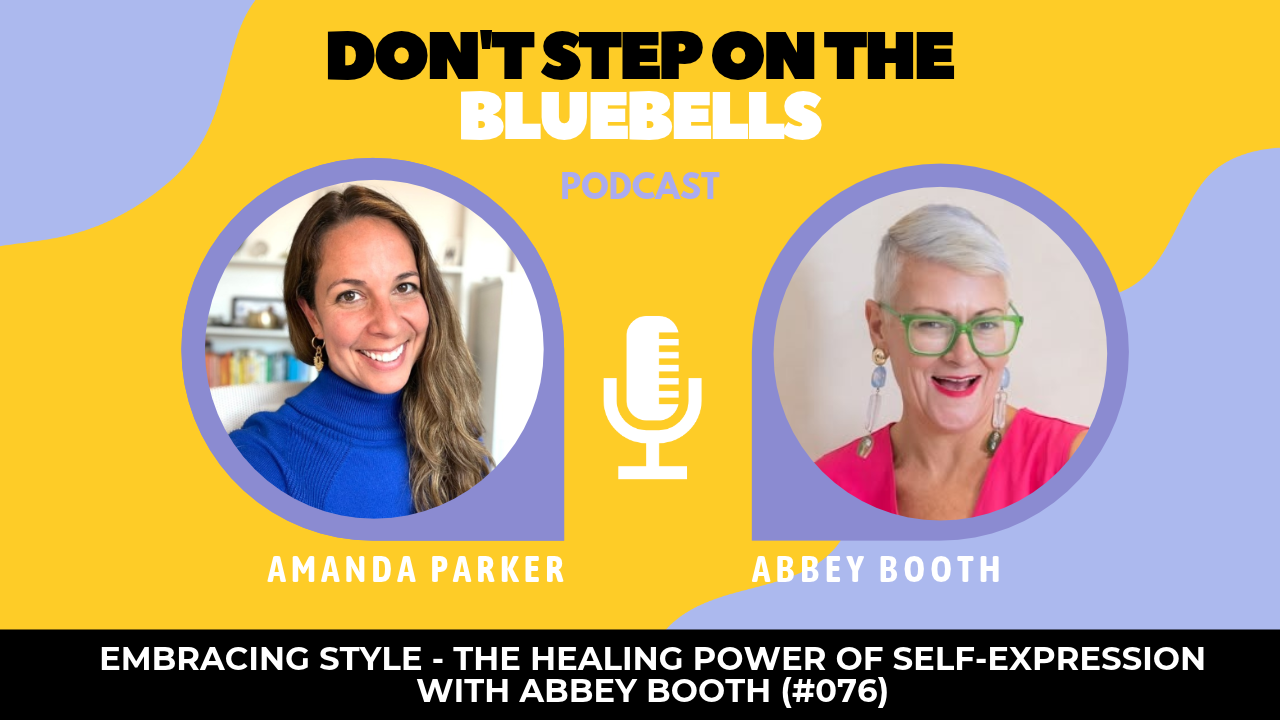
In this episode, stylist Abbey Booth shares why the clothes come second, the self-doubt that nearly kept her from her calling, and how your wardrobe can bring you back to yourself.
Read the full Show Notes below!
Subscribe Now
“If you can go somewhere and do something that makes you feel like you, there is nothing like that.”
Today's Guest
Abbey Booth
Abbey Booth, Founder of Stories with Clothes: Colour & Wardrobe Stylist
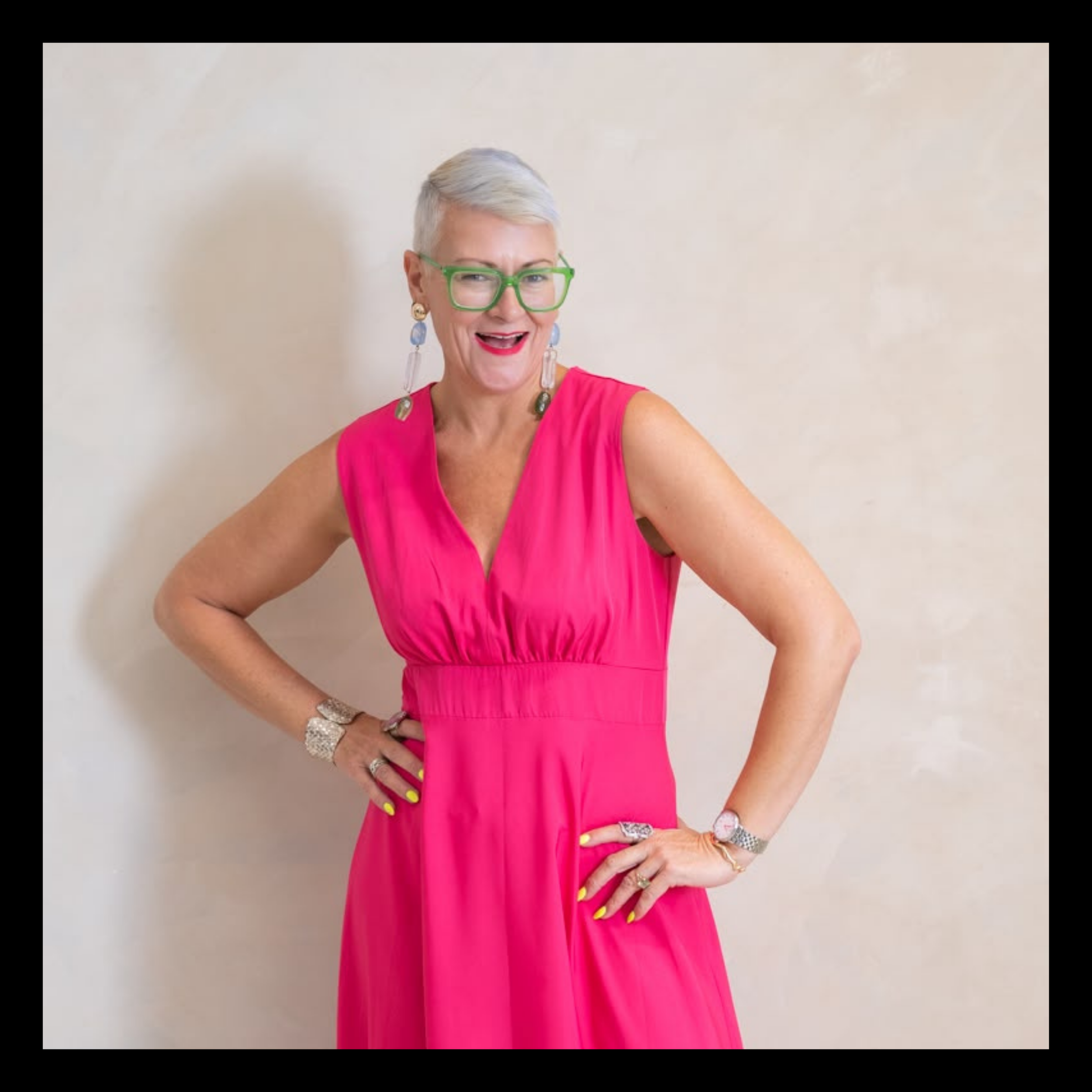
With over 15 years’ experience, bestselling author of Don't Save It For Best and more than 1,000 women styled, Abbey creates vibrant, life-enhancing styling experiences for courageous women. Abbey firmly believes Personal Style is an act of self-care and an integral part of our identity; a way to back yourself each and every morning
How to get in touch:
Website: https://www.storieswithclothes.com/
Instagram: https://www.instagram.com/storieswithclothes
Listen to the episode on
Show Notes
At twelve, Abbey Booth was given a red jumper by her grandmother and decided it was too much for her. When she finally got brave enough to wear it, people noticed her differently. But the bigger shift was quieter. She started to notice herself.
That thread runs through this whole conversation. Abbey is a personal stylist, the founder of Stories with Clothes and the author of the bestselling Don't Save It for Best, and she says something you might not expect from a stylist: the clothes are secondary. What matters is how you feel when you walk into the room. And whether you walk in at all, because some of her clients have skipped events simply because they didn't feel they had the right thing to wear.
We talk about the self-doubt that had Abbey sign up for stylist training and withdraw three times before she finally went. About becoming a mother and losing her career, her town and her friends in one move, and the reframe that landed live in this episode: that the break also gave her the pause she would never have given herself. About why your wardrobe tells the story of who you've been, and shows you exactly where you've drifted from who you're becoming. And about her mum, stomping through Romford Market in leather trousers and a fur coat, dressing for no one but herself.
If you've built a life that works, but some mornings you look in the mirror and wonder where you went, this one is for you. Style turns out to be one more way home to yourself.
Key Takeaways
Before you ask how something looks, ask how it makes you feel.
A pause you didn't choose can still be the pause that shows you what you really want.
What lit you up as a child is a map back to who you truly are, so take it seriously.
The thing that feels most awkward is usually exactly where the growth is.
Start with what you already own, because there is almost always gold hiding in your wardrobe.
Dress as yourself first and adapt to the room second.
Let your style evolve without guilt, because you are not the person you were two years ago.
What We Talked About
A grounding meditation to open the episode
A red jumper, a shy kid, and noticing yourself first
Abbey's squiggly path from corporate to boutique owner to stylist
Motherhood as a forced pause, and the reframe that landed live
Why childhood joy points back to your soul
Signing up for stylist training and withdrawing three times
Hair, nails and why caring how you look isn't indulgent
What a wardrobe edit actually involves
Dressing for the room vs. dressing as yourself
Abbey's mum at Romford Market, and people watching as research
Guest Quotes
“It's like they noticed me and I felt like I started to really connect and notice myself first, if that makes any sense at all.” (Abbey Booth)
“Would I have been as an empathetic stylist as I am now without all of those life experiences?” (Abbey Booth)
“So many of us find ourselves in careers that we're kind of just in by default.” (Amanda Parker)
“I think having my children actually did give me the space to pause.” (Abbey Booth)
“Actually that's what connects us so deeply to our truth.” (Amanda Parker)
“Now I don't see it as a ripple because I actually think we need systemic change the world over.” (Abbey Booth)
“I feel like at 50, I feel like I'm only just getting started.” (Abbey Booth)
“I actually signed up to the training and then withdrew three times before I actually had the guts to go and do it.” (Abbey Booth)
“I did not feel too much. I felt just right.” (Abbey Booth)
“It almost feels like indulgent. Like, how could I think about what I'm wearing and how I look?” (Amanda Parker)
“It's like, how do you feel when you walk out of that salon?” (Amanda Parker)
“If you can go somewhere and do something that makes you feel like you, there is nothing like that.” (Abbey Booth)
“On a gray day, I can look down at my nails and I think, do you know what? Everything is all right because look at those nails.” (Abbey Booth)
“The clothes is kind of secondary, which sounds strange being a stylist, but it is really true.” (Abbey Booth)
“It's so rarely about the thing itself.” (Amanda Parker)
“I've had clients who've said they've not gone to events because they didn't feel like they had the right clothes.” (Abbey Booth)
“You can't have great style and feel uncomfortable.” (Abbey Booth)
“It's the things that make us feel the most kind of ick and awkward. That's where the growth is going to happen.” (Abbey Booth)
“We've always got what I call gold in the wardrobe.” (Abbey Booth)
“The wardrobe will tell you the story of who they are and where they've been.” (Abbey Booth)
“Less clothes does not mean less outfits.” (Abbey Booth)
“I want them wearing 80 to 90 % of it rather than the 20.” (Abbey Booth)
“I'm dressing as me and I don't have to wear a uniform and I don't have to wear a costume.” (Abbey Booth)
“I think I've often tended towards who's in the audience that I'm gonna be facing more than like having my own style.” (Amanda Parker)
“Sometimes we need outfits that push us and that challenge us to go somewhere bolder and braver than we perhaps feel.” (Abbey Booth)
“It was the first time I'd looked at her as a woman and her own person rather than just my mum.” (Abbey Booth)
“She wasn't dressing for them. She couldn't give two hoots about them. She was dressing for herself and she obviously felt amazing.” (Abbey Booth)
Resources to Learn More
Ask Your Guides by Sonia Choquette: a book on connecting with your spirit guides and your soul, including returning to what brought you joy as a child
Don't Save It for Best by Abbey Booth: Abbey's bestselling book on personal style, with a full-color hardback coffee table edition (30 new images and a new section) coming end of November
Sonia Choquette: spiritual teacher and author whose work Amanda draws on in this episode
Stories with Clothes: Abbey's personal styling business
Terms & Tools to Dig Deeper
80/20 wardrobe: the pattern of wearing the same 20 percent of your clothes most of the time. Abbey's aim is to flip it so you wear 80 to 90 percent of what you own.
Calling: work that feels less like a job and more like what you're here to do.
Color analysis: working out which colors suit your natural coloring, often the first service people try with a stylist.
Event styling: dressing for a specific occasion, like a stage or awards night, by weighing the dress code, the venue, the culture and the room while staying recognizably yourself.
Imposter syndrome: the persistent feeling that you're not qualified or don't belong, despite evidence that you do.
Personal stylist: a professional who helps you understand what suits you and how to dress for your life, through services like color analysis, wardrobe edits and shopping sessions.
Reframe: seeing the same event from a new angle so its meaning changes, like seeing a forced career break as a gift of pause.
Spirit guides: helpers in the unseen world who offer guidance and support, as described by teachers like Sonia Choquette.
Squiggly career: a career that moves sideways and in loops rather than straight up a ladder.
Style boundaries: Abbey's term for the line where a client's style can be pushed bolder and braver without tipping into discomfort.
Style detective: Abbey's playful name for spotting the patterns in a wardrobe, like the brand, fabric or color you keep buying and never wear.
Style DNA (style personality): the words that describe your unique style, which become the foundation for every choice.
Style mantra: the short phrase drawn from your style DNA that guides how you dress for any room.
Uniform dressing: repeating a small set of well-fitting pieces to take daily decisions out of getting dressed.
Visualization: using your imagination to guide energy or attention, like the glow from the heart expanding out into your town or city in the opening meditation.
Wardrobe edit: a session of about four hours, in person or online, working through what you already own for color, fabric, texture and shape before buying anything new.
Thanks for listening!
What was your biggest insight from this episode? Let me know @amandaparker.co
Don't forget to support the podcast by subscribing and leaving a five-star rating.
Episode Transcript
076 - Embracing Style - The Healing Power of Self-Expression with Abbey Booth_Main Video_V1
[00:00:00] Abbey Booth: A wardrobe tells you a story. Partly why I called my business Stories with Clothes because it's the stories behind the woman that I'm really interested in. Where are they going? What are they trying to achieve? And the wardrobe will tell you the story of, of who they are and where they've been, and they feel like that wardrobe doesn't reflect where their journey's headed now.
[00:00:19] They've often put a set of rules on themselves or a, "Oh, I should be wearing this," or, "Everyone else is doing this." And I always want s- to get that client back to what their style is
[00:00:34] Amanda Parker: Welcome to Don't Step on the Bluebells, the podcast where personal healing and transformation take center stage. I'm your host, Amanda Parker, and I'm a fellow seeker on the journey of personal growth. Join me as I delve into the stories of gifted healers, guides, and everyday people who have experienced remarkable transformations.
[00:00:53] Listen in as they share their practical wisdom to enrich your everyday life. And don't forget to hit subscribe [00:01:00] and
[00:01:00] Amanda Parker: never miss a new episode.
[00:01:04] Amanda Parker: Welcome to today's episode of Don't Step on the Bluebells. I am thrilled to be here today with my wonderful guest, Abbey Booth. Abbey has been helping thousands of women to style themselves, and today we're gonna be really diving into how that style and the way that you really present yourself and how you feel about yourself impacts so many of the things in your life.
[00:01:32] I could not imagine someone better to have this conversation with, so Abbey, thank you so much for joining us today.
[00:01:38] Abbey Booth: Thank you very much for having me. It's a pleasure to be here talking to you again after the gorgeous time we met in the summer.
[00:01:44] Amanda Parker: That's right, on a very hot rooftop in Shoreditch.
[00:01:48] Abbey Booth: Yeah. Bit of a difference today.
[00:01:51] Amanda Parker: I know that you are probably very immersed in this world of style, but for someone like me, and potentially for a lot of my [00:02:00] listeners, this is really a new world, so it's not something... I mean, I've always loved, you know, dressing myself, but it's not something that I've ever really deeply, consciously engaged with before, and I'm really curious, like straight off the bat, to understand how did you get into the style world?
[00:02:20] What was it that inspired you to come into the work that you do today?
[00:02:24] Abbey Booth: So I think my journey started, as I think many of these things do, when I was a child. So I loved, I loved clothes and I loved color, but I was really shy, really, really shy as a, as a child. And I recognized that when I wore different colors, it had a different impact on how I felt, but also how other people perceived me.
[00:02:44] So I remember my grandma bought me this red jumper once for Christmas. I was like, "Ooh, I can't wear that. That's a bit much for me." And gradually I sort of got braver and started to wear it, and every time I wore it Just people [00:03:00] looked at me differently. It's like they noticed me and I felt like I started to really connect and notice myself first, if, if that makes any sense at all.
[00:03:08] It's about that really true connection, and I probably couldn't really fully understand what that was. I think I was about 12 at the time, but I just knew that there was a real difference in how I showed up, um, and how I felt about myself, but also how other people interacted with me. And I think it wasn't until I came back to that later on in my 20s in the work that I was doing in a, in a corporate environment where I really then started to utilize my own personal style to get me into rooms that I perhaps couldn't have otherwise been in if I wasn't dressed in a certain way.
[00:03:45] And again, it, it just reminded me. So I think there's all the- always these touch points in our lives and our careers where it really reminds us of, you know, our strengths and our power, and I think those things have always been there. But it, it's, you know, we talk [00:04:00] about squiggly careers often, don't we?
[00:04:02] And mine was definitely one of those. You know, I didn't become a stylist until, um, 10 years ago, about nine, 10 years ago. Before that, I had a womenswear boutique. So I went from corporate and this squiggly, squiggly line took me eventually into, um, sort of the world of fashion and, um, personal styling. But it certainly wasn't, um, you know, an, an overnight thing or a conscious choice that I made at school.
[00:04:27] I, I probably would've thought if someone had said to me, "Oh, you could be a stylist," I would've thought, oh, I can't do that. Who am I to do that? So I think all of those points and moments led me to becoming a stylist and I sometimes question, 'cause I absolutely love what I do and I'm so passionate about it, and I think, oh, if only I'd found it earlier.
[00:04:48] But then I think to myself, oh, would I have been as an empathetic stylist as I am now without all of those life experiences? I think I'd have been a different stylist, and I still think I would've been a good [00:05:00] stylist, but I don't think I would've been the stylist that I am today without all of those life experiences.
[00:05:05] So that was my squiggly and beautiful route into, um, into becoming a stylist, and it was really having children that gave me that break from being in a corporate environment Where I thought, "What do I want to do when I go back? What is something that really lights me up?" And my first thought was clothes and fashion, and being more-- I wanted to do something more creative.
[00:05:26] I think that was one thing that I was never really allowed to do in my childhood and at school was, um, you know, art, and I loved doing art. But my parents said, "Oh, you can't do art, because what, who are you gonna be, a famous artist?" Well, I mean, my question is, well, why not? But you know, at the time it was, you know, that, that was probably very scary to them because it didn't feel safe and it wasn't a known quantity.
[00:05:48] Um, so I wasn't able to take art, um, at GCSE, and it sort of sent me down a much more kind of business route. But I think that's been useful now because, you know, I, I did [00:06:00] marketing and I had a, yeah, business and commercial background. So I think the two have worked really well together actually. Um, you know, you don't always necessarily see it, do you, until you're in it and then when you have those moments of reflection.
[00:06:11] So that's my sort of circuitous route into becoming a stylist.
[00:06:16] Amanda Parker: Two things for me. One, that it makes me think of this like core childhood memory I have when I used to like, my mom had this fake fur jacket that was like this huge, luxurious, beautiful thing. I used to love taking it out of her closet and putting it on and-
[00:06:33] Abbey Booth: Ah, love it
[00:06:33] Amanda Parker: putting on a pair of, I don't know, like high heels. You know, I was really a little kid, so these things were huge on me, but I just felt so glamorous. And then I would always come out and put on a show of some kind. And it's really what you just shared connects me so deeply with that memory of like how I must have felt getting to wear those clothes as opposed to whatever my normal kid clothes had been, right?
[00:06:58] And then suddenly I was this [00:07:00] glamorous superstar taking up the stage and just how quickly that transition can happen and like as a kid we just kind of know that intuitively and as an adult we might very well forget that.
[00:07:15] Abbey Booth: Yeah. Absolutely. Uh, you know, and I think you've touched on such interesting points there because, you know, I, I don't know if you noticed, but when you talked about it your body language changed quite dramatically and, you know, there was that sway and, you know, and that's the, that's the power of it and, you know, it's one of the things that we talked about when, when I met you in the summer, um, you know, was giving people items of clothing to try and to see if it made them feel differently about themselves, um, and hold themselves differently.
[00:07:44] And it's that coming back to that play and I think as a adults we, we lose that because we're, we're busy and we have so many things to do and we kind of lose that art of curiosity and playfulness that I think style is so It's, it's so in- an intrinsic [00:08:00] part of style actually, being playful, being creative, you know, dressing up, playing.
[00:08:04] And it sounds really childish, but actually those are such core memories for us, and we can really get back to that with our, with our style, that feeling of being creative, being playful, being explorative, and just trying something. You know, children are so free with that, aren't they? They just... You know, if they wanna run, they don't think about it or they second- don't second-guess it, they just run.
[00:08:27] You know, run into the leaves or, you know, put the dress on, the cape on and spin around or whatever it might be. Whereas I think we're always overthinking things, aren't we? Like, "Oh, what would other people think? Can I do that? Oh, am I too old for this? Am I too young?" You know, all of those questions, where I think a child is able just to have that freedom to be.
[00:08:45] And I think it's that curiosity and that freedom that I really love to get back for my, for my clients, um, because it's joyful. You know, it does, it brings you joy, and I think we all need a little bit more of that in our lives.
[00:08:57] Amanda Parker: You also shared one other [00:09:00] element of how you got into the style work, which I find really poignant, when you became a mom and then suddenly took a break from your career and could actually take the time with that pause to think about what do I really want.
[00:09:14] And I think it's so fascinating because maybe your children gave you that opportunity, but so many of us find ourselves in careers that we're kinda just in by default and, you know, we're-- people are just moving down a path of life and they just do the next step and the next step, and so rarely have that moment of pause to really ask themselves, "What would I like to do?"
[00:09:36] And so it sounds like for you in that moment you, you did get really honest with yourself, like actually, "How do I wanna spend my time now?" But it also helped shape you into doing work that, I, I mean, genuinely feels like a calling for you.
[00:09:53] Abbey Booth: Yeah, I mean, I really-- I couldn't imagine doing anything else. I think it would break my heart to, actually.
[00:09:58] Yeah, I can feel myself getting really emotional [00:10:00] even thinking about not, not doing it. But it's so fascinating what you said about having children giving me the opportunity, 'cause I don't think I've ever thought of it like that, you know. You know, I th- I think it was... I think there was a lot of heartache involved with me for, for leaving that role, and then we, we moved areas, um, and we're still living in the same house that we moved to, so it, you know, it went all right.
[00:10:21] But it, it was a difficult move because my husband's job stayed the same, so his day-to-day stayed the same, whereas mine changed kind of irrevocably. You know, I lost all my friends, um, the, the town that we lived in, the home that we lived in, and of course my job and my career, and all of a sudden, you know, I'm in a town where I don't know anyone with two children.
[00:10:40] Honestly, I think I still feel quite a bit of resentment about that. But actually you just saying that to me, that's why it's made me feel emotional because actually you're so right. I think- Having my children actually did give me the space to pause, because I think I find it really difficult to stop and rest and think, as [00:11:00] I, I think I'm sure so many other women do.
[00:11:02] We're, like you said, we're on a path, aren't we? And we're often doing things because we think that's just the next step, rather than having that grace of being able to stop and consider and pause. God, thank you so much for, for giving that back to me, because it's, it's a total reframe actually. Um, but really interesting that you've noticed that link between the childhood playfulness and that opportunity to pause for me.
[00:11:27] So, um, yeah, thank you for that. Yeah, that's like a boom, a, a light bulb moment for me.
[00:11:33] Amanda Parker: What you've shared so far just about, like, the things that you noticed from being a kid, you know? Like, so many of us have that, and there's this author that I love. She's a spiritual teacher, and she talks about connecting with your guides and, like, who you truly are.
[00:11:50] She uses different words. It's like connecting with your soul, and she talks about one of the easiest ways... This is Sonia Choquette, for anyone who's listening, um, and she [00:12:00] writes about it in her book, "Ask Your Guides." And she talks about one of the ways to, like, connect most deeply to your soul, to your real self, is to think of like, what was it as a kid that brought you, like, just joy, that you just loved to do?
[00:12:14] Because when we start adulting, most of us kind of forget. And if I connect for myself back to, like, what was it that brought me joy? I mean, I spent all my time with cats. Like, any minute that I could be with my cats, like, I was. Um, but there were also these moments of playing dress up and, you know, my mom had this chest of all her old dresses that, like, me and my friends could go through.
[00:12:38] And so there are these moments of joy that, like, we almost forget about 'cause it seems so, uh, irrelevant or, like, it seems so young and that we need to leave that in the past, but actually that's what connects us so deeply to our truth. It's so hard, like, I also wanna commend you. It's so hard to find our way back to something that brought us that [00:13:00] kind of joy when we were young, and to, yeah, make it, make it a source of healing, not just for yourself, but for everyone that you work with, everyone that you help.
[00:13:14] Abbey Booth: Y- you've hit something really important there for me in what, in what I do because most of the women that I work with also work with other women in some capacity. So, um, you know, I work with a lot of female founders with their own businesses and other women in business as well, but a lot of them also work with other women.
[00:13:36] And I, I used to see it as a, a ripple effect, you know, of another woman lifting another woman up, and it's a bit like when you give someone a compliment, you know? It, it makes you feel good, but it, my God, it makes that other person feel great. And you s- you see it as when you s- give someone a compliment, they walk away and they're two inches taller, aren't they?
[00:13:54] And it, it's that impact that women have of working and speaking and lifting each other up, and [00:14:00] it, it ripples out. But now I don't see it as a ripple because I actually think we need, we need systemic change the world over. It needs to be a tidal wave because I think we need bigger impact quicker. Um, and I, that's what I see what a very small part of what I do is enabling other women to step up and take positions of power, uh, take positions of authority, feel more confident to go into the bigger rooms, to go into the boardrooms, to change things from, you know, from the ground upwards so that, you know, our daughters and, and everyone else that we, we know can enjoy a, a better and more fulfilling life without having to constantly fight.
[00:14:41] So I, I think it is such a, an impactful thing. You know, even when we're just speaking to another woman, sometimes that can lift, the lift her up. But if you're actually working in an environment where you're day-to-day enabling and helping women, and that woman is also doing that for another woman, it doesn't end, does it?
[00:14:58] And that's, to me, is [00:15:00] really exciting because, you know, I think if I can help someone, she's gonna go on to help potentially five, 10, 50, and, and so it goes on. And I think that's why I'm, that's why I get really excited about what, what I do and the women that I speak to, and the women I can see I can really help because I know that they're gonna be doing the same for other women and, and so it goes on, and I think that's a really beautiful thing to be part of.
[00:15:24] Amanda Parker: What would you say was one of the biggest challenges that you faced as you were getting started in this world of styling?
[00:15:33] Abbey Booth: Oh, I'd say self-doubt massively. I think I... I mean, when I, when I decided I was gonna open a shop Which sort of really started me on the, the path of, of personal styling. I thought, my first thought to myself was, "I'm too old."
[00:15:48] And I think at the time of, um, when I was going to open my shop, I think I was 35. And I think to myself, I mean, I'm 50 now, and I think, oh my God, like, what, what were you thinking that you [00:16:00] were past it at 35? You're li- you've literally barely begun, you know. I, I feel like at 50, I feel like I'm only just getting started.
[00:16:09] Um, you know, I think I've got, I've got so much still I want to do and I want to achieve and, and that I want to fulfill and, and everything in my life. But I definitely think for me it was that, it was that self-doubt. And when, when my shop, uh, when I closed my shop, I must reframe it, I say, when my shop closed, my shop didn't decide to close.
[00:16:26] I actually took the choice to, to close it, and I have to own that. Um, but my heart broke a little bit then, or a lot, uh, because my plan had always been to have a, a few shops, a couple of shops, and then I would train a team, and I really wanted a space where women could come in and feel really safe and comfortable and not...
[00:16:43] You know, sometimes you go into those boutiques and people look you up and down and, and I just thought, "Why do we do that?" Like, what? I don't get that. Like, we all wanna feel better about ourselves and, you know, retail therapy is, is a thing, and sometimes it's just about connection. When the lease ended and I took the difficult [00:17:00] des- decision to not open another shop, I thought, what am I gonna do with myself?
[00:17:04] Th- this is it for me. You know, my life is over. And my friend said to me, "Well, why don't you go and be a stylist? Because that's what you're brilliant at. You're brilliant at helping other women." And I was like, "I can't do that. I'm, I'm too big. I'm too old." I'm-- I put all the barriers I could in front of it, and I actually signed up to the training and then withdrew three times before I actually had the guts to go and, and do it.
[00:17:27] And, and so I think there's s- there's a lot of self-doubt as, as a woman anyway, not for every woman, of course. But I think there's that inner voice that, oh gosh, I'm too much. I'm not good enough. I, I was told as a child, "Oh, you're, you're too much. You're too this." And so I think I'd gradually become this smaller version of myself.
[00:17:46] And actually, when I made it to s- to stylist school, I walked in that door and I cannot tell you, I immediately thought, this is absolutely where I'm supposed to be. And I did not feel too much. I [00:18:00] felt just right, and I think that was just such a light bulb moment for me. I thought, gosh, all that self-doubt and all that wasted time of signing up and going, "Oh no, I can't do it, oh."
[00:18:11] And then walking through that door and absolutely knowing I was supposed to be there. So I think a lot of the women that I work with also experience kind of self-doubt, imposter syndrome, and part of- how I'm able to help them so well is that I completely get it 'cause I've been there. You know, and it's not like you don't still have those moments.
[00:18:32] Um, but I know that I'm a really great stylist, and I know that I really help women feel more confident and more beautiful, more sexy, more powerful, whatever it is they wanna feel. I'm really good at connecting those dots. But yeah, I do know what that self-doubt and that, oh, can I do this feeling feels like.
[00:18:53] So that was the biggest thing for me, for sure.
[00:18:56] Amanda Parker: I think a lot of people will definitely resonate [00:19:00] with that sentiment. You know, it almost feels like indulgent. Yeah. Like, how could I think about what I'm wearing and how I look? Like, how indulgent And I had a conversation with another female entrepreneur who's now a friend of mine, and we were talking about hair.
[00:19:20] And it was so funny because I was, you know, getting a bit frustrated at how every time I go to the hair salon it feels like it's more money. But I love having my hair done. And she told me, yeah, actually when I go she told me how much she pays, which is, uh, also a large sum of money, and she's going every six weeks.
[00:19:40] And I was like, "Wow, okay. Like, I guess maybe I don't need to be complaining about this." And she told me, she said, "Yeah, but this is how I feel like me. This is my brand. This is a part of my business. This is, you know, what makes me feel good." And it was such a powerful reframe for me. It's not about the money.
[00:19:58] It's not about how much do [00:20:00] you, how much time do you spend, how much money do you spend. It's like how do you feel when you walk out of that salon? And I think it's the same with clothes. How do you feel when you're, when you're... Well, it's not you do more than clothes, I know that, so I wanna talk about that in a minute.
[00:20:13] But like how do you feel when you walk out and you're wearing something that's like, "Oh, my God. This just looks beautiful. I feel so beautiful or glamorous," or whatever the words are.
[00:20:23] Abbey Booth: You're so right. I think, I think this, this is one of the, the reframes that I had to do when I first became a stylist because o- o- one of the things my husband first said to me was, "Oh, you just take people shopping."
[00:20:36] And he knows not to say that in, in m- in front of me now. Um, and he's met a lot of my clients, and he came to the book launch and he heard what, what they had to say about working with me, so he, he really gets it now. But it, it's that sentiment that I think a lot of people think and feel that they know and understand about clothes, uh, and personal style, that somehow it's in- indulgent [00:21:00] and, um, frivolous and vain.
[00:21:04] But your friend is absolutely right. You know, if, if you can go somewhere and do something that makes you feel like you, there is nothing like that, and I don't know why we wouldn't do more of that. You know, for me it's, it's my nails. You know, that always brings me back to myself. You know, so if, if I'm feeling, you know, a bit flat or I've had a really busy time and, you know, the nails are all gone and you're thinking, "Oh, my goodness."
[00:21:26] You know, my hands are such an integral part of my business, and if I'm talking I use them a lot. So they're, they're really important. They're part of my brand. But they also make me feel amazing. And on a gray day I can look down at my nails and I think, "Do you know what? Everything is all right because look at those nails."
[00:21:46] You know, and I think those things, they are powerful. And, you know, whe- whether it's a patriarchal thing of, oh, women and their clothes and isn't that all silly and little as a way to sort of contain us. [00:22:00] Whereas actually, you know, we know that clothes and style is empowering and impactful and can make a difference.
[00:22:08] But the thing that I always like to bring my clients back to is exactly what you said, is how do you feel? The look and the clothes is kind of secondary, which sounds strange being a stylist, but it, it's really true. It's, it's how does that woman feel? You know, and if, if I'm styling her in something that makes her feel awkward or, you know, that's a bit silly, then that isn't gonna work for her, and that's not great styling.
[00:22:34] It's got to make her feel, you know, how she wants to feel, whether that's emboldened, successful, powerful, luxurious, you know, comfortable, you know, whatever all of the things are. Um, uh, because it does enable you to get on with your day, you know, with a bit of a spring in your step and, you know, that can be really useful.
[00:22:53] We have busy lives where we're wearing lots of hats and doing often lots of things in a day. You know, it might be caring for elderly [00:23:00] parents, children, family commitments, all of those sort of things. I think if you can go into the day feeling really good about yourself and really, like you've got those little touch points where you can look down and go, "Yeah, it's all right.
[00:23:12] I've got this," then I think that is very powerful and not to be underestimated.
[00:23:17] Amanda Parker: I love the universality of that sense of how do you feel, because that like transcends the work you do, that transcends the work I do. Like that's really It's so rarely about the thing itself. It's so important to understand, you know, like just thinking about if, you know, how many times have I redone my website or created a new offer or, you know, different kinds of content that I put out and, you know, that's just in my world and one piece of it, and really thinking about like, yeah, but does it feel good?
[00:23:56] And then actually the words that you use don't matter. The [00:24:00] graphics you use don't matter. It's not that they're not important, it's just they're secondary to does this light you up? Because that's how you pre- present yourself in the world, whether that's online, that's in person. It's like if you're feeling...
[00:24:16] I-- like what you said, I'm just really resonating with, um, if you're feeling awkward or uncertain or- Mm-hmm ... and I've definitely had those phases, I mean, definitely with clothes at points in my life, right? But also within the business 'cause that's the context that comes to mind for me, where I'm like, "Ugh, I don't know.
[00:24:32] Does this really fit? I'm not sure." And that's how I present it in the world. Yeah. And the difference that makes versus when it's, "Oh my God, I love this. This feels- Yeah ... so good. I can't wait for this to get in the hands of people."
[00:24:46] Abbey Booth: Yeah.
[00:24:46] Amanda Parker: It's a totally different energy.
[00:24:48] Abbey Booth: Yeah. Completely. You know, it's about making women's lives easier as well, you know, which seems like, oh, how does, how does style make someone's life easier?
[00:24:57] But you, you've touched on it there about that sort of [00:25:00] slight feeling of discomfort and things, you know, when you've turned up somewhere and, you know, and I've had clients who've said they've not gone to events because they didn't feel like they had the right clothes. And so those are such missed opportunities because they could be just the person they needed to meet in that room or just the person that needed to meet them, you know, and, and they weren't there to, to receive or to meet them.
[00:25:22] And it's, it's those points where clothes and style enable you to simply get on with your day feeling great about yourself, you know. And, and the, the two feelings of comfort is so important. You can't have great style and feel uncomfortable. It can get you- a little bit far, but it can't get you really far because at some point it's gonna be itchy, scratchy or whatever it is.
[00:25:44] Yeah. Yeah. We all have our, have our different feelings. Too hot, too cold, all of those things.
[00:25:48] Amanda Parker: Feel the tag.
[00:25:49] Abbey Booth: Yeah. Or it, you know, and it's just that thing that you put on and you're like, "Oh," get somewhere and you're feel- feeling like perhaps it looks a bit tatty or it's a bit faded and you hadn't really noticed in the, in the [00:26:00] morning, whatever, and then you just feel that slight discomfort and then you don't really step up in the world then.
[00:26:06] You know, you're, you're kind of retreating a little bit because you're f- you're conscious of the outfit or the, or the clothes, whatever. So when you've got those pieces on that make you feel great, you don't think about them anymore, and you can just get on and be your wonderful, brilliant, wonderful self and go and do the incredible work that the world and other women need you to do.
[00:26:26] So it, you know, those points are really integral to great personal style. You know, comfort is so important. So important.
[00:26:34] Amanda Parker: So if someone is, like, not immersed in this world at all, they really don't know about style, but they come to you 'cause they know they wanna change things, what does that look like when someone comes to work with you?
[00:26:47] How... What's the process you take them through or...
[00:26:51] Abbey Booth: So yeah, I think it, it depends kind of what, what stage they're at in their, in their life or their business. But o- often we kind of go back to, to [00:27:00] basics. So sometimes people have, have perhaps used a stylist before for color or something like that, so they've, maybe they understand a little bit or they've lost their way.
[00:27:08] But I try and get them back to a point of let's go back to the beginning. Let's go back to basics. So something like a wardrobe edit is a really brilliant place to start. If they're s- you know, live locally, that can be done in person. But equally I've got clients all over the world and, you know, and I delve into people's wardrobes online all over the world, which is, you know, hugely exciting, uh, for me.
[00:27:29] Daunting for them. Everybody always finds it the most vulnerable experience, but it's why it's one of the most powerful, um, and it's often the way, isn't it? It's the things that make us feel the most kind of ick and awkward, that's where the growth is, is gonna happen, and it's getting through those, those points.
[00:27:47] So something like that is such a... It's not just sorting out the wardrobe, although that is wonderful and people leave with a tidy wardrobe, more clarity. It's about what that opens up for them, um, and comes back to what we were saying [00:28:00] earlier about it not really being the thing, it's, it's what lies behind that.
[00:28:03] That is just a brilliant place because it gi- gives the client clarity, it opens up possibility, opportunity, excitement about the clothes that are already in their wardrobe. Because for me as a stylist, it's important to get people thinking about what they've already got before we just rush out and buy new stuff.
[00:28:21] You know, it's, sustainability is really important to me and it's, I think it should be to all of us. You know, trying to look at our carbon footprint, what we, what are we doing? What are we buying? And starting at the beginning at the wardrobe- is a really wonderful place to do that because we've always got what I call gold in the wardrobe.
[00:28:41] We think we don't. Lots of people say, "Oh, I need you to come sort my wardrobe out. I hate it all. You're probably gonna chuck it all out." Um, and it really isn't about that. It's about sort of gently editing and repurposing and redefining who you are, where you're going, and what you, what you also want your clothes to do for you, which is part [00:29:00] of the strategy element that I like to, to bring in for clients, is that it is a tool.
[00:29:07] You know, particularly if you're a, you know, woman in business, your style can be a, a tool for you. Um, so let's look at what you want it to do for you and where you're going, um, and then I can help you. So a wardrobe is a great place to start, but it's not necessarily for everyone. So, you know, it... I think it depends on where the client is at and, um, you know, I often have really interesting discussions with what people want to achieve and where they want to go, and I think a shop is always exciting for people.
[00:29:36] They're like, "Yeah, let's just jump straight in." But actually I try and get it to wind it back and slow the process down a bit and be like, "Oh, let's look at what you've already got first." 'Cause it might be that actually you don't need as much as you think, and it's about slowing that process down. 'Cause I think we're in a world where things happen so quickly now and, you know, I could pick up my phone and buy [00:30:00] thousands of pounds worth of clothes in probably, what, two minutes.
[00:30:03] E- probably even less than that, right? It's... And without even really thinking about it or considering it. Um, and it's so easy to do and I really like people just to slow that process down and really think about what they're, what they want to get out of their clothes and their style before we jump straight into buying stuff for the sake of it.
[00:30:26] Amanda Parker: And when you're looking at someone's closet and helping them to edit what they have, what are like the characteristics you're looking for? Is this around, you know, does this feel good or is it like, are these colors suiting you? Like, what is it that you're helping them to discern?
[00:30:41] Abbey Booth: So we look at colors, but we also look at fabric and texture.
[00:30:45] I think texture and fabric is something that people really underestimate, and it's so important. You know, there are lots of people who can't wear wool for example, or people who, um, you know, like textural fabrics but [00:31:00] have never really thought about it. So it's... The wardrobe tells you a story Um, and it's partly why I called my business Stories with Clothes, because it's the stories behind the woman that I'm really interested in and what-- where they're going, what they're trying to achieve, and the wardrobe will tell you the story of, of who they are and where they've been, and sometimes where the disconnect is, where they're going, and they feel like that wardrobe doesn't reflect where their journey's headed now.
[00:31:31] Actually, sometimes it can do, but it just needs, it needs reframing. So we look at color, we look at texture, we look at shaping, um, we look at the pieces that are already in the wardrobe that are already serving them, and we look at the common threads between the things that they don't like anymore and the things that they do like, because there'll be a pattern there, and we don't necessarily always see those patterns because we're in it.
[00:31:56] But having someone, you know, who's also an expert come in and [00:32:00] help them look at those patterns is so useful and will often save clients hundreds if not thousands of pounds because they notice a pattern with things that they buy that they don't end up wearing, and sometimes it's a p- particular brand, sometimes it's a fabric, sometimes it's a color, and it's noticing those patterns.
[00:32:20] And I, I love those patterns. I, I think of myself... It's probably really sad to admit, but I'm gonna admit it anyway. But I think of myself like a style detective, because in another life, I think I'd have made a brilliant detective. I would not, because I'm very squeamish with blood and things. But, um, I like to think of myself-- So this is how I get my sort of secret pleasure, if you like, of imagining these, my- myself being a detective.
[00:32:43] It is noticing the patterns, but they're important and powerful because they show you where you can make better choices for yourself and where there's habits that perhaps aren't serving you anymore. Um, so it's looking at all of that. [00:33:00] And I mean, this sounds like it's gonna be really in-depth, but we can do it all in about four hours in person, um, 'cause I have a really great system that works really, really well.
[00:33:09] Um, and it works online as well as, uh, as in person as well. But wardrobes are such brilliant places to start And it leaves clients feeling, oh, so many things, but clarity. They feel like a huge weight has been taken off them as well, because I think it can feel really daunting knowing where to start, 'cause it's, you know, you look and you think, "Gosh, I've collected all these clothes over the years."
[00:33:35] And, uh, I think as women particularly, we have a lot of guilt and shame associated with our clothes and our style. You know, things that perhaps we bought that we don't fit into anymore. Our b- you know, bodies change so much in, in midlife. You know, after having children and just, yeah, midlife menopause, all of those things combined are, are huge physical changes.
[00:33:56] But also I think we don't always necessarily understand the, the impact, [00:34:00] um, physically but also mentally as well of trying to deal with a new body for s- for some of us in, in midlife. Um, so All of those things are huge, and having someone support you through that process is just such a lovely way of doing it and taking the pressure off having to do it yourself.
[00:34:24] And it also leaves you with a really clear pathway to move forwards from, you know. And I think that's really important for people to see, because once you've got those pathways, you are making much better choices for, for yourself. But you also get the fun back, you know, and I think that's often where style has become complicated for people or challenging because they feel like they don't recognize themselves anymore.
[00:34:48] Sometimes in the mornings they look in the mirror and they just think, "God, who am I? Where did, where did she go? What happened?" You know? And I've got a wardrobe of clothes that kind of feel like they were for me from yesterday, but not [00:35:00] the me today. And it's about, yeah, bringing it, bring it all together, um, and giving you, A, a beautiful, neat and tidy, gorgeous wardrobe, which just makes you feel better.
[00:35:11] Amanda Parker: Yeah.
[00:35:12] Abbey Booth: Um, it makes your life easier in the morning. Uh, one thing I love to say to people is, less clothes does not mean less outfits. So they get the fear. They're like, "Oh my God, I won't have enough." But actually, when you have less, it often makes every item there work much harder for you. Obviously, having less in there is less overwhelming as well.
[00:35:32] So there's so many different aspects to it. Uh, but the clarity, I think, thing is important and huge because that, I think it's a feeling that we can all recognize, like waking up in the morning and having that sense of clarity and that weight lifted off our shoulder and also like, ooh, look at that. Um, I worked with a client recently and she said to me, "I've woken up this morning to this wonderful new life."
[00:35:54] And I was like, "Oh my God, I love that." Um, and I just thought, that's the [00:36:00] power of it. It's four hours, but sh- she feels like she has a new life, new possibility, new hope. Um, and that's, that's just wonderful for me. I think, God, that's why I do it. I think that's brilliant.
[00:36:12] Amanda Parker: It's so interesting because my style definitely changes over the years, but I've taken a bit of a page out of my husband's style book.
[00:36:23] He's got black T-shirts, white T-shirts, and the same pants in, like, two colors, 'cause he does not wanna have to deal with choices. They all fit him well, so he looks sharp every day no matter what. And he's taken all the decision-making out of, like, what his morning looks like. So I haven't done anything that drastic, but I found this, like, uh, jumpsuit, you know, like top and bottoms that match that are so cozy and comfy from this brand that I love called Varley.
[00:36:56] I now have it in four colors. This dress that [00:37:00] you see, I've got it in four colors. So I find for me, sometimes the simplicity works of just Like I know I love bold colors. I know that this sh- I mean, this shape is like pretty good. It's probably not like the best shape ever, but it's comfortable. I feel cozy.
[00:37:20] I love feeling bright. And so I've started to look more for what's simple until I get bored, and then I want something bright and splashy and different. So I guess this is why you always have work, right? Because people find those basics that work, but then they also evolve over time- Yeah ... and need an update or a change or...
[00:37:45] Abbey Booth: Yeah. And I think we, you know, the, it's so true, isn't it? We have different phases of our life where we're, you know, we're in Doing different things. Um, you know, sometimes in our lives we've got more money, sometimes we've got more time. You know, things kind [00:38:00] of they, they ebb and flow, don't they? And I think our, our needs change, and, you know, I think sometimes people are, you know, if I'm doing a wardrobe or whatever, they're like, "Oh, I've had, I've had this for years and this is great, and I've had this for years, but this doesn't feel great."
[00:38:13] Like, why is that? You know, why is that? And it's, it's looking at all of those elements, you know. You know, you've talked about color, you know, you enjoying color and the, the softness and, uh, Varley is an amazing brand, um, I totally agree with you. Um, beautiful. The fabrics I think are to die for, and I'm glad that they're introducing more color now, 'cause I think when it started out it was all very sort of black and white, but they are bringing in gorgeous- Yeah
[00:38:35] gorgeous colors now, which I'm very, very pleased about, uh, for my clients that love that brand as well. It's like, "Yay, we've got some color." But yeah, I, I think it's interesting to see how our style evolves and, and also not to feel guilt when it does evolve because we're, we're not the same person, are we?
[00:38:50] Like, we, we've learned even in, say, two years, we've learned so much. You know, we've got more wisdom. You know, we've had more life experience. We've met more [00:39:00] people. We've, we're better at our, our jobs because we've learned more and we've wor- worked with more people. So all of those things do impact our, our style and how we show up for ourselves because we are always ev- evolving and always...
[00:39:14] We're always moving forward, aren't we? One way, one way or another. We're always, we're always getting older what- whatever we wanna do. And so I think it's, it's looking at where those kind of, those disconnect mo- moments come. That, that's where I come in really is when there's that slight disconnect between how someone is showing up, what their wardrobe is doing, and, and how they want to feel when they show up.
[00:39:36] And when there's that slight disconnect, that's when, you know, a stylist can come in and, and help you kind of work out where the gaps are, where the disconnect is, um, and how to get a style that makes you feel great so that you do have these mornings, like you said, where you wake up, like your husband wakes up, he knows exactly what's happening and that really serves him and works for him.
[00:39:58] You know, he doesn't have to think about it. He's stripped [00:40:00] away, you know, that overwhelm or the indecision, which again can be a big thing in the mornings for, um, you know, men and women getting, getting ready. That overwhelm of, ugh, opening the wardrobe and thinking, "Oh my God, what?" And then we end up wearing the same sort of 20% often, you know.
[00:40:16] So, but it's about I want, I wanna change that when I go into a client's wardrobe. I want them wearing 80 to 90% of it rather than the 20. So yeah, it's, it's about kind of flipping, flipping the script a bit and getting them to wear more of the things that they've already got.
[00:40:31] Amanda Parker: So there was something you had mentioned, um, at the beginning of the conversation that stuck with me and I think will be very, well, interesting for me, but also for people listening.
[00:40:41] So you had mentioned, I think it was when you were describing your own relationship to how you dressed and the way that you felt when you were showing up in different rooms and maybe wanting to be-- You didn't use the words more professional, but that's what I had understood, and I would be so curious to hear [00:41:00] Yeah, I, I'm not even sure how to frame the question, but something around, like, what is the impact of our style when we are showing up in those professional settings?
[00:41:12] You know, I'm, I'm working from home a lot, so I still try to dress myself nicely every day or I know I'm not, like, sitting in pajamas or I know that's the end of the day already. Um, at least for me. Maybe for others it's different. But there is a difference if I'm going on a stage or I'm, you know, walking into a corporate client office.
[00:41:32] How do you help people prepare for that or, or what do you see as the difference in that way of dressing or styling yourself?
[00:41:39] Abbey Booth: Yeah. So that's a really good question, because I think often when women are looking at getting perhaps, uh, onto bigger stages or into, you know, rooms or where- what- whatever it is they want, want to achieve in their personal, professional lives, they've often put a set of rules on themselves or a, oh, I should be wearing this, or everyone else is doing this, and [00:42:00] I always want to get that client back to what their style is.
[00:42:04] So we often do a lot of work on, um, what I call style DNA or sometimes called style personality, which is really about what your style is to you, and it's so different and unique to everyone. You know, you've often got, you know, categories and things like that. But actually, what I do is work with that client individually to look at what their words are, what their style DNA is, to help them really figure that out.
[00:42:26] And then we look at how their style then shows up for them using that, um, style mantra, as I call it. 'Cause I think that's really, it's really powerful then to have that because then you're like, it doesn't actually matter what everyone else is doing because I'm dressing as me and I don't have to wear, um, a uniform and I don't have to wear a costume.
[00:42:48] Um, it's clothes that make me feel like me, but are still relevant and appropriate for the room. So I've worked with a cl- client recently to dress her for, uh, style her for, um, lots of [00:43:00] awards that she's, um, won for her book, which is very exciting. Um, but also speaking, and we've looked at the rooms that she'll be in, you know, the decor of some of the places, the dress code.
[00:43:12] So ev- every event has a slightly different dress code. Some of the events are abroad, um, and we be mindful of different cultures as well and dressing appropriately for that. So there's a lot that, that goes into it if it's specific event styling. But at the core of it, it still comes back to the client's individual unique style.
[00:43:32] Um, so I think, yeah, that's probably a long-winded way of, of describe- describing that, but I think there's quite a lot to it. Um, and not to make it sound really complicated for people. I mean, the devil is in the detail with, with the s- with styling. You know, it's all about those small, those small moments that can ground people, make, help them come back to themselves when they're feeling nervous and anxious.
[00:43:56] But also outfits that really enable them to go on [00:44:00] and do the work that they need to do so that they're not standing on a stage thinking, "Oh God, I wish I'd worn the, not the see-through trousers," or whatever it is, you know? It's like, oh. Or the, the top that's too low and, or what... Yeah, whatever it is. It's about really about thinking about all of those elements and then enabling them to have choice still so that it can make, like, make their lives easier again.
[00:44:22] I love those, those styling work, that, that work rather that I do with them because it is about enabling that person to shine and feel absolutely themselves, just the best version of themselves. And I think that's, that's the flip with the, with events, um, and styling. It's still them, and it's gotta be recognizable as them as well.
[00:44:44] You know, it's... I think that's the thing as well. If someone is already on a speaking circuit, don't necessarily want them to show up and everybody be like, "What? What's happened there?" You know, you want that conversation to be a good conversation like, "Wow, doesn't she look great?" But you still want her to be [00:45:00] recognizable as her and who she is.
[00:45:02] So I think, you know, that's also important to mention.
[00:45:05] Amanda Parker: I know 'cause I've gone through so many different phases, you know, of being in more corporate settings. I also worked in nonprofit for a long time. Like, and the settings were different, you know? In nonprofit, I mean, like it was a w- a conservation nonprofit, so like nature protection.
[00:45:23] So you, you could wear whatever you wanted, and even to our quote-unquote clients were the donors, like they were not looking for us to be in suits, you know? Yeah. But I still, I'd see some colleagues in like their T-shirts and Birkenstocks and I was like, "Oh God, couldn't you... Oh, no." But that's because that was important to me always, so I'd still be in the dress or the blazer or whatever it was.
[00:45:46] But I think something that I've often struggled with, 'cause I, I have a lot of fun dressing in a way that feels good, and I've learned the things, you know, somewhat that drive me crazy. Like if there's a tag or a seam in the wrong [00:46:00] place, I'm, I'm done. Like I'm not functioning for the rest of the day. Um- But I'm often dressing just for the room, just for who's gonna be there.
[00:46:12] And it takes a lot to think about, yeah, but what helps me to show up as my best, even regardless of that room, and then, and then couple it to the room, as you said, so you can still be aware of the space that you're in. But I think I've often tended towards who's in the audience that I'm gonna be facing more than having my own style...
[00:46:36] What's, what's the word? Like, i- iconology? I don't know. That's not the word, but like- ... my- being my own style icon, you know? Yeah. Like, like this. I mean, 'cause I just look at you and it's like, I, I love the glasses and I love the nails and the earrings, like everything. It f- but it feels now like you, because I have talked to you a few times.
[00:46:57] I'm like, yes, this-- of course she's wearing these [00:47:00] gorgeous things.
[00:47:03] Abbey Booth: Yeah, and I th- I, I think it's so interesting, isn't it? I mean, I think I, I have... For, for me individually, I've got a lot of creative license because I'm a stylist, and I, I guess I, you know, if I'm go- I've g- I'm going to events or I'm going somewhere, people have an expectation of what I might, I might be wearing and how I might show up.
[00:47:23] And often people are like, "Oh, yes, but if you're at home, what are you wearing?" And I'm like, "Literally this." I show up for myself every day, even if, even if I'm at home, 'cause I'm still working. I'm still, I'm still a stylist if I'm at home, and it's how I feel like me. And this is not to say that everyone's, you know, wearing green glasses and big rings and massive earrings and everything, but it's how I connect to myself, and it's about what I do for clients is helping them find those points for, for them.
[00:47:50] And for some women it might be that it's, you know, a gorgeous, floaty, ethereal dress, and that, that's perfect for her because that's [00:48:00] her feel, that's what makes her feel like her, and it's minimal jewelry, minimal makeup. And for someone else it's, you know, they love texture, so I'm gonna go all out and find them these textural pieces, and it's gonna be so different for this other woman who wants these sort of floaty, ethereal things.
[00:48:17] So I think it's about really part about the kind of styled in and coming back to yourself. It's, it's so important because it is so unique and so individual to each person, and it's not necessarily about having a costume or, you know, making people feel like they are playing dress up. But equally, going right back to the beginning of our conversation when you were talking about putting your mom's fur coat on, sometimes we need outfits that push us And that challenge us to go somewhere bolder and braver than we perhaps feel.
[00:48:53] And it's not that it's, you know, I'm never gonna make someone feel uncomfortable, but I also want to push them a little [00:49:00] bit because I want them to, to get into the bigger rooms, bigger stages, earn more money, be authority leaders or whatever it is they wanna be. And to do that, we do have to sort of push ourselves and elevate ourselves, but it's never going to make someone feel, feel uncomfortable.
[00:49:17] And it's, it's finding what that, um, I call it sort of like style boundaries, if you like. Like, where can I push someone? You know, I shopped, I shopped with a client I've shopped with for a really long time, five years, on Monday in Manchester, and I know I can kind of push her a little bit and where I can, you know, get away with.
[00:49:34] And it's exciting for her because she sees where she can be bolder and braver with her style, but also where's the, where the line is as well. You know, 'cause there is a, there's a line for everyone. And I think that it's blurring the lines and not walking the lines, that's, you know, 'cause I'm a bit of a rebel, and those are the bits that are exciting for me as a stylist, but also for, for the clients, and they're so different again for, for [00:50:00] everybody.
[00:50:00] It's where, where can the lines be a little bit blurred, you know, might be here for someone and off here for, for, for someone else. You know, for me it's, you know, my style personality is dramatic. It's more is more is more, you know, and I would-- I went to Tesco's like, like this, this morning 'cause this, this is who I am, you know?
[00:50:19] So it's like I love it. But for someone else it's gonna be quite different. So it's about finding sort of where, where those, where those blurry lines are for each, each client.
[00:50:28] Amanda Parker: Okay. Now you have to tell us about your mom and Romford Market.
[00:50:31] Abbey Booth: Yeah. So, so it-- When you were telling me the story of you putting the fur coat on, it immediately took me back to a scene that originally was in, was in my book.
[00:50:43] Um, and it got edited out in the editing phases, not because it wasn't right, but it just didn't sit where, where I wanted it to sit quite right. But I remember so vividly, uh, me and my sister trailing after my mom as she went round Romford Market. So I, I grew up in, in Essex, [00:51:00] and it was early on a Sunday morning.
[00:51:01] My mom had got to the market early. She obviously wanted to buy something. I don't really know what it was. But she was wearing leather trousers and a fur coat, and she had these big boots on. And my, my mom's not very tall. She's about, probably about five foot four and, but she took up so much space. Mm.
[00:51:18] And me and my sister, I can remember running after her, and I-- all of the men on the market were just looking after my mom like this, and she stomped along. I mean, I'd, I'd love to know what she was going to buy. I can't remember at all. But all I can remember was it, uh, the impact she created was like a s- six-foot-four person, and it was that real presence and it's- At home she was, you know, my mum and, you know, soft and fun and gentle, but there she was fierce.
[00:51:45] And I think it was the first time I'd looked at her as a woman and her own person rather than just my mum, and all these men sort of staring after her, and she wasn't dressing for them. She couldn't give two hoots about them. She was dressing for herself, and she obviously felt [00:52:00] amazing, and that really lasted with me, that, that impact and that impression of my mum, of A, seeing her as a woman for the first time, and B, being totally in awe of her in this really OTT outfit, but also just having the guts to wear it and just own it, you know?
[00:52:19] And I'm like, "Oh, I love that. I love that." I'm just like, what- whatever our version of that is, it does make you feel superhuman. And I think, my God, we need those in busy, often challenging lives. If you can have an outfit and pieces that make you feel like that, stomping along Romford Market with everyone in your, in your wake, then I think, I think, yes, all hail to, to personal style.
[00:52:45] We need more of those moments. Yes, please.
[00:52:51] Amanda Parker: So I'd love for you to tell us what you are excited about in the future. What are some things that are coming up for you?
[00:52:59] Abbey Booth: So I'm [00:53:00] very excited because I've got the coffee table version of my beautiful book, "Don't Save It For Best!" coming out. Think it's gonna be the end of November. I will know a date within the next few days.
[00:53:10] We're just waiting to hear back from the publisher. Um, and it is beautiful. I've been working on it behind the scenes for about six weeks now. Um, I've signed it off just the other day, and it is a full color version of my book. Um, and it's hardback. It comes out in a A4 size, and I've added, I think, something like 30 new images.
[00:53:33] Um, it's got a new section in it as well, so it's going to be absolutely beautiful. Um, and my lovely publisher, Jo, said to me yesterday, she was like, "This book is absolutely beautiful." And I thought, "Yes, it is." I'm really proud of it and I can't wait to share it with everyone. So yeah, that's coming at the end of November.
[00:53:51] Amanda Parker: That is so exciting. And to everyone who's listening, you'll have all of the links, how to get in touch with Abbey, how to find the book. So first, [00:54:00] her book that's already out in the world, and now this coffee table book that's soon going to be with us. So you definitely, I definitely wanna get my hands on that 'cause I-
[00:54:09] would love to have this style inspiration in my life. For people who wanna get in touch, is the best way, do you, are you active on socials? Where's the best way to find you? Yeah.
[00:54:20] Abbey Booth: The best place to find me is probably on Instagram. That's probably where I feel most comfortable. I am, I am on LinkedIn as well as, as Abbey Bea, but Instagram is, is probably my happy place.
[00:54:30] Um, there, there's lots of kind of, you know, styling tools and tips on there and a lot of, lot of color and a lot of fun. Um, I think that really gives you a flavor of, of who I am as a stylist and also who my clients are. So I s- share a lot of client stories on there. Um, I've got a lovely website as well, which I'm currently just upgrading at the moment.
[00:54:49] So, um, that's storieswithclothes.com, but probably the best place is Instagram 'cause you can just come and have a, have a nose and have a delve and see what you think.
[00:54:59] Amanda Parker: And for [00:55:00] someone who's just getting started on this style journey, they're listening, they're feeling like, "Ooh, I wanna do that, but it sounds big.
[00:55:07] I don't know how to get started," what advice would you have for them for how they can begin?
[00:55:13] Abbey Booth: I think one of the best pieces of advice I can give is if you're feeling a bit, um, I don't know, per- perhaps you feel like you lost your way a bit or you're in a bit of a rut with your style, is people watch Go to a coffee shop, sit outside if you can, put a big coat on or sit in the window, and just watch what people are wearing.
[00:55:34] It's free. It's amazing. You will see things. You'll recognize things that you've already got in your wardrobe. It just gives you a little pep and a bit of inspiration, and it doesn't need to be a, "Oh my God, I've got to go and buy new clothes." Look at what's out there. Look at what people are doing with their clothes, with their color, with their style, and then see if you can recreate some of those things at home with what you've already got in your wardrobe, and see how that makes you feel.
[00:55:58] And sometimes it's [00:56:00] just having those little moments of inspiration can reignite interest in your own wardrobe and in how you want to sort of show up and feeling, feeling yourself. But people-watching, really underestimated and so brilliant. So if you ever see me in a coffee shop, I'm, I'm just, I'm researching.
[00:56:18] Very important, so.
[00:56:21] Amanda Parker: I'm gonna use that from now on as well. No, no, no, I need this coffee for research.
[00:56:26] Abbey Booth: It's research purposes, don't you know? Yeah. Yeah, I mean, I... Two of my loves, coffee, people-watching. Heaven. Absolute heaven. And I think, you know, as women particularly, we, we need to carve out those moments of time, so it can double up as that as well.
[00:56:42] So it's 10 minutes, 20 minutes for you. It's a nice coffee or tea if that's your bag, and it's a bit of research, so very important.
[00:56:50] Amanda Parker: And your third career pivot as a detective. I'm- I'm ready. Maybe-
[00:56:57] Abbey Booth: Yeah, I might have to tone down the [00:57:00] outfit 'cause I, I don't, I couldn't go undercover, so yeah. Uh, I'm also quite clumsy, so I'm, I'm not sure I'm gonna be the best detective ever, but...
[00:57:10] Amanda Parker: Okay, then I'll wait for the next series of books about, you know- Uh ... style detective and-
[00:57:14] Abbey Booth: Yeah. Yeah.
[00:57:15] Amanda Parker: Might. Yeah, yeah ... love this, sitting in a coffee shop. Abbey, this has been such a delight to have you here on Don't Step on the Bluebells. I have learned a lot. I'm definitely gonna go to a coffee shop today-
[00:57:28] and start hunting out, um- I'll
[00:57:31] Abbey Booth: see you there.
[00:57:32] Amanda Parker: Yeah, yeah, exactly. How about this? I buy you the coffee and we hunt together. Yeah.
[00:57:38] Abbey Booth: We'll hunt together.
[00:57:39] Amanda Parker: Um, yeah. But it's, it's been so, like, wonderful to hear. Um, you know, this podcast is all about healing and personal transformation, and this is just one avenue, like one more avenue of how to really connect with yourself more deeply, and I, I just love- [00:58:00] That you're using style for empowerment.
[00:58:03] It's really such a beautiful and powerful tool that I'm, I'm just also so grateful that people have a chance to listen in my corner of the world where this will be something new for them.
[00:58:15] Abbey Booth: Brilliant. Thank you so much for having me. I've, yeah, it's been, it's, it's been a total joy, absolute joy, and I love how we've twinned with our-
[00:58:23] Amanda Parker: I know
[00:58:23] Abbey Booth: outfits as well.
[00:58:25] Amanda Parker: You have to watch the video.
[00:58:27] Abbey Booth: Yeah,
[00:58:27] Amanda Parker: watch the video- Yeah, you have to- ...
[00:58:28] Abbey Booth: and then
[00:58:29] Amanda Parker: you'll see ... see now us in our purple. It's perfect. So thank you so, so much. It's been such a joy, and to everyone who has been listening and walking this journey with us, thank you for tuning in, and I will see you next time.
[00:58:46] Thanks for tuning in to today's episode of Don't Step on the Bluebells.
[00:58:50] Amanda Parker: If you enjoyed this conversation, please give the podcast a five-star rating
[00:58:54] Amanda Parker: wherever you listen. And don't forget to hit subscribe and follow along so you never miss a new [00:59:00] episode.